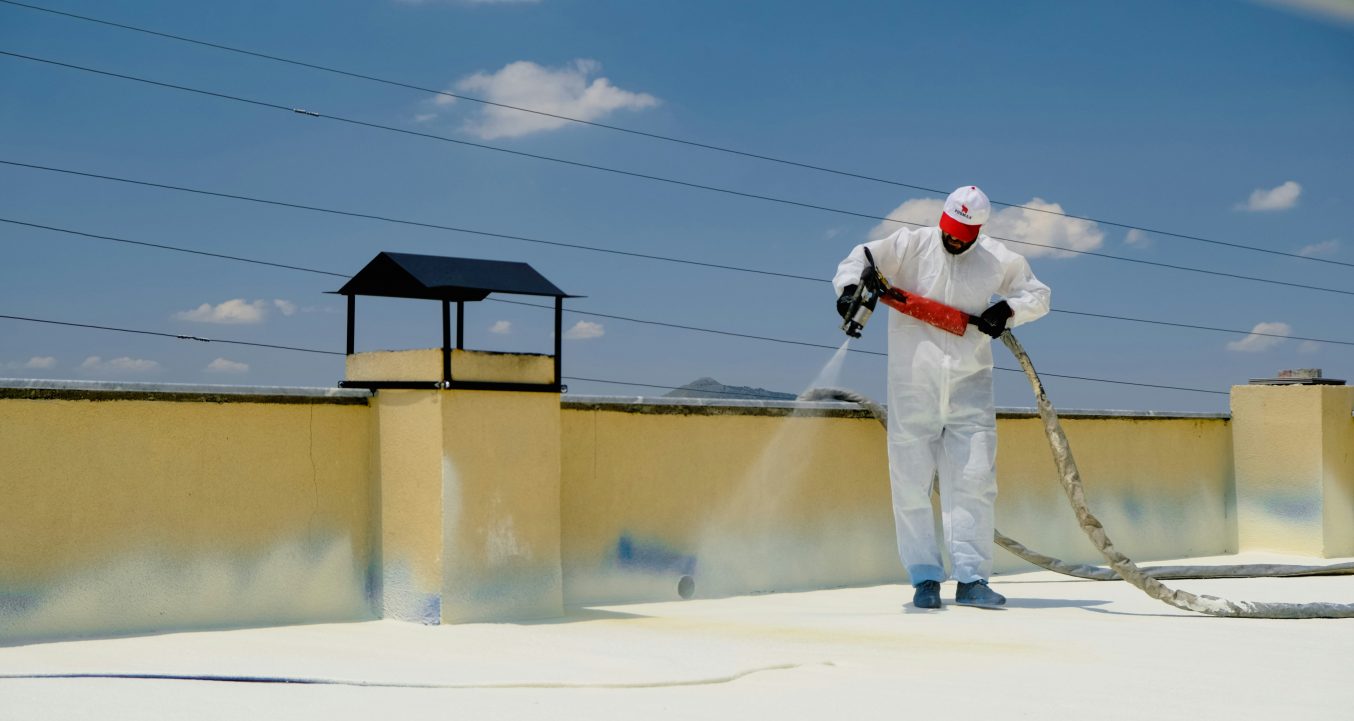
If you’re researching insulation upgrades, you’ve likely come across spray foam insulation, and just as quickly, the question of cost. Spray foam is often positioned as a premium option, praised for its energy efficiency, air sealing, and moisture resistance. But what does that actually mean for your budget in 2026?
Spray foam insulation comes in two main types: open-cell, which is lighter and more affordable, and closed-cell, which is denser, higher performing, and more expensive. Both are designed to expand on application, sealing gaps that traditional insulation can’t reach. That performance is exactly why homeowners and builders consider it, but it’s also why prices can vary widely.
So what will you really pay for spray foam insulation in 2026? And how do you decide whether the upfront cost makes sense for your home or project? This guide walks through the real factors behind pricing, what current Australian cost ranges look like, and how to weigh cost against long-term value.
What Affects the Cost of Spray Foam Insulation?
Spray foam insulation pricing isn’t one-size-fits-all. Before talking numbers, it’s important to understand what actually drives the final cost of a job, because these variables explain why quotes can differ so much.
The type of foam used
Open-cell spray foam is generally cheaper because it uses less material and expands more. Closed-cell spray foam costs more due to its density, higher R-value, and added moisture-barrier properties. The choice between the two has a significant impact on price.
Area and size of the job
Total square metres matter, but so does layout. A simple, open underfloor area will cost less than a multi-room retrofit with complex roof lines, wall cavities, or tight access points.
Accessibility and installation complexity
Spray foam insulation is faster to apply than many alternatives, but difficult access increases labour time. Crawl spaces, multi-storey homes, and retrofits often cost more than new builds.
Thickness and required R-value
Higher R-values require more foam. In cooler climates or energy-efficient builds, thicker application improves performance but also increases material and labour costs.
Labour, workmanship, and compliance
Experienced installers who follow Australian building codes and safety standards factor compliance, preparation, clean-up, and waste disposal into pricing. Cheaper quotes may cut corners here, which can affect performance long-term.
Additional project factors
Removing old insulation, repairing substrates, or preparing surfaces all add to cost. Climate, scope (whole-home vs partial), and regulatory requirements also play a role.
Open-Cell vs Closed-Cell Spray Foam: How the Choice Affects Cost
One of the biggest drivers of spray foam insulation cost is whether open-cell or closed-cell foam is used, and the difference is more than just price.
Open-cell spray foam insulation is lighter and expands more aggressively, meaning less material is required to cover an area. This makes it more affordable upfront and well-suited to internal spaces where sound reduction and air sealing are priorities. However, it offers a lower R-value per inch and does not provide the same level of moisture resistance as closed-cell foam.
Closed-cell spray foam insulation, on the other hand, is denser and more rigid. It delivers a higher R-value in less space and acts as a vapour barrier, making it particularly valuable in damp environments or areas exposed to temperature extremes. Because it uses more material and offers higher performance, closed-cell foam typically sits at the higher end of the cost range.
In practice, many projects use a combination of both. Choosing the right type (rather than defaulting to the cheapest option) can significantly influence long-term performance and value.
Typical Cost Ranges for Spray Foam Insulation (Australia, 2026)
Once you understand the variables, cost ranges start to make more sense. While no guide can replace a tailored quote, current Australian data gives a useful baseline for what to expect in 2026.
For many residential projects, spray foam insulation costs typically fall between A$30 and A$80 per square metre, depending on foam type and complexity.
Lower-end pricing often applies to simpler jobs, such as accessible underfloor areas or straightforward ceiling applications. Higher-end pricing typically reflects the use of closed-cell foam, wall cavities, or complex retrofits.
For full-home insulation projects, many homeowners can expect total costs in the range of A$3,000 to A$5,000 or more, depending on size, scope, and performance requirements.
Indicative Spray Foam Insulation Costs (Australia, 2026)
| Scope / Area | Typical Price Range |
| Simple underfloor/ceiling (small area) | ~$40–60 per m² |
| Walls / higher-complexity areas | ~$45–80 per m² |
| Whole-house / larger job | ~$2,000–5,000+ (depending on size) |
These figures are ballpark estimates. Your actual quote will reflect the factors outlined above, which is why site inspections matter.
How Climate and Location Influence Spray Foam Insulation Costs
Where your home is located plays a bigger role in spray foam insulation pricing than many people realise. Climate affects not only the amount of insulation required, but also the type of foam and thickness needed to meet performance expectations.
In cooler climates, higher R-values are often necessary to prevent heat loss, which can lead to increased material usage and overall cost. In warmer or more humid regions, moisture control becomes a priority, making closed-cell spray foam a more suitable (though more expensive) option.
Local building standards and energy efficiency requirements can also influence installation specifications. In some cases, additional preparation or compliance measures are required, which may be reflected in the final quote.
This is why spray foam insulation pricing is always site-specific. Two homes of the same size can receive very different quotes depending on climate, access, and performance requirements.
Pros and Cons: Why Some Pay More but Get More Value
Cost alone doesn’t tell the full story. Spray foam insulation often costs more upfront than batts or foil, but it delivers benefits that cheaper options can’t always match.
On the plus side, spray foam creates an airtight seal, dramatically reducing drafts and heat loss. This leads to lower heating and cooling costs over time and more consistent indoor temperatures. Closed-cell spray foam also provides excellent moisture resistance, helping protect homes in damp or humid environments.
Spray foam doesn’t sag, compress, or degrade the way some traditional insulation materials can. That longevity means fewer replacements and less maintenance over the life of the building.
The main downside is the initial investment. For smaller budgets or partial renovations, open-cell foam or traditional insulation may be more suitable. However, when energy savings, comfort, and durability are factored in, many homeowners see spray foam as better value long-term.
Whole-House vs Partial: Cost Implications
Another important factor to consider in 2026 pricing is whether you’re insulating an entire home or targeting specific problem areas.
Whole-house spray foam insulation typically delivers the greatest long-term benefit. Sealing the building envelope consistently reduces air leakage throughout the home and maximises energy efficiency. While the upfront cost is higher, many homeowners see stronger returns in comfort, energy savings, and resale appeal.
Partial applications, such as insulating only the underfloor, roof space, or wall cavities, can be a more budget-friendly entry point. These targeted upgrades are often used to address drafts, temperature imbalances, or moisture issues in specific areas.
While partial insulation costs less initially, it may not deliver the same level of performance as a full system. Understanding this trade-off helps set realistic expectations when comparing quotes.
How to Get an Accurate Quote (and What to Ask)
Understanding pricing is one thing; getting a quote you can trust is another. Knowing what to ask helps ensure you’re comparing like for like.
When speaking with installers, clarify:
- Whether open-cell or closed-cell spray foam insulation is being proposed
- Target R-value and foam thickness
- Exact areas included (walls, floors, ceilings, or specific zones)
- Whether removal of old insulation is included
- What preparation, clean-up, and waste disposal cover
- Compliance with Australian standards and safety practices
- Warranty or performance guarantees
It’s also worth asking about curing times, ventilation requirements, and whether you’ll need to vacate the property briefly during installation.
Is Spray Foam Insulation Worth the Cost in 2026?
Spray foam insulation may not necessarily be the cheapest option on the market, but it’s one of the most effective. In 2026, homeowners can expect costs to reflect material performance, installation complexity, and long-term benefits rather than just square metre rates.
While upfront pricing varies, spray foam insulation delivers strong returns through energy savings, comfort, moisture protection, and durability. The key is understanding your specific needs and getting advice based on your home, climate, and goals.
For projects that require targeted solutions, applications like under slab insulation, under floor spray foam insulation, and spray foam in wall cavity installations can offer high performance where traditional insulation falls short.
Get a Quote Today
To understand what spray foam insulation would really cost for your home (and whether it’s the right investment), contact Foamed Insulations for a personalised quote and professional guidance tailored to your project.
