Shipping containers are no longer just for transporting goods. They’re being transformed into homes, offices, studios, workshops, and even cafés. But while containers are strong, durable, and versatile, they have one major drawback: they’re made entirely of steel. Without proper insulation, a shipping container can feel like an oven in summer and a fridge in winter.
That’s why shipping container insulation is one of the most important decisions you’ll make when converting a container. The right insulation controls temperature, manages moisture, improves comfort, and makes the space usable year-round. The wrong choice can lead to condensation, mould, rust, and ongoing energy costs.
In this guide, we’ll break down the three most common shipping container insulation options, explaining how each works, their pros and cons, and which option makes the most sense depending on your budget, climate, and goals.
Why Insulate Your Shipping Container?
As shipping containers are made entirely of steel, they react quickly to changes in external temperature and humidity. Insulation helps control these extremes, protecting the space from heat, cold, and moisture while making it more comfortable and energy-efficient to use.
Temperature Control
Shipping containers heat up and cool down extremely fast because steel is a very good conductor of heat. In direct sun, internal temperatures can soar well above outdoor temperatures. At night or in winter, that same steel shell rapidly loses heat.
Insulation slows this heat transfer, helping maintain a more stable and comfortable internal temperature. Whether your container is a home, office, or storage space, insulation is essential for making it usable.
Moisture Prevention
Condensation is one of the biggest problems in uninsulated containers. Warm, moist air inside meets the cold steel walls and turns into water droplets. Over time, this moisture can cause:
- Rust and corrosion
- Mould and mildew
- Damage to finishes and furnishings
Proper insulation helps reduce temperature differences on the steel surface, significantly lowering the risk of condensation.
Energy Efficiency
Without insulation, heating or cooling a shipping container is inefficient and expensive. Insulation reduces heat loss in winter and heat gain in summer, meaning heaters and air conditioners don’t have to work as hard, or as often.
Soundproofing
Shipping containers are thin-walled and can amplify external noise. Insulation adds mass and absorption, reducing sound transfer and making the space quieter and more comfortable, especially in urban or industrial areas.
Types of Shipping Container Insulation
When it comes to shipping container insulation, three materials are most commonly used: foam, fibreglass, and wool. Each has distinct characteristics that affect performance, cost, and suitability.
Foam Insulation (Spray Foam and Rigid Foam)
Foam insulation is often considered the premium option for shipping container insulation, particularly in extreme climates or moisture-prone environments.
Spray Foam Insulation
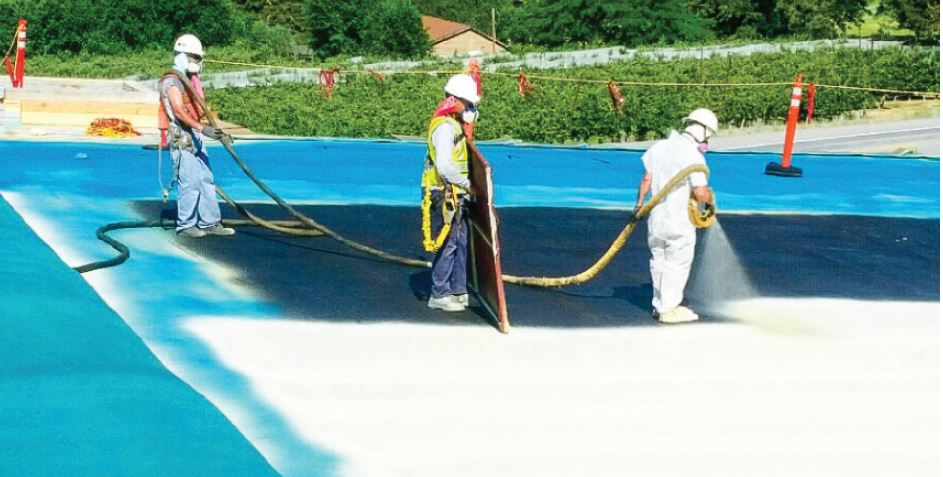
Spray foam is applied as a liquid that expands on contact, filling gaps, seams, and the corrugated profile of container walls. Once cured, it forms a continuous insulation layer that also acts as an air and moisture barrier. This makes it especially effective for containers used as homes, offices, or long-term occupied spaces.
Rigid Foam Boards
Rigid foam boards are solid insulation panels that are cut to size and fixed to container walls. While they don’t seal gaps in the same way spray foam does, they still offer strong thermal performance and are often used where spray application isn’t practical or where a more DIY-friendly option is preferred.
Pros of Foam Insulation
- High thermal resistance, especially with closed-cell spray foam
- Excellent air sealing, reducing drafts and heat loss
- Strong moisture resistance, helping prevent condensation
- Durable and resistant to mould, mildew, and pests
Cons of Foam Insulation
- Higher upfront cost compared to other materials
- Spray foam typically requires professional installation
- Some products have a higher environmental footprint
Fiberglass Insulation
Fibreglass insulation is a familiar and widely used option, particularly for projects with tighter budgets.
Fibreglass is usually installed as batts that fit between framing added to the container interior. It offers reasonable thermal performance and is easy to source, making it a common choice for DIY container builds.
Pros of Fibreglass Insulation
- One of the most affordable insulation options
- Widely available and easy to purchase
- Decent R-value when installed correctly
Cons of Fibreglass Insulation
- Does not provide an airtight seal
- Highly sensitive to moisture, which can reduce effectiveness
- Can be difficult to fit neatly against corrugated steel walls
- Fibres can irritate skin and lungs during installation
Fibreglass can work in dry climates or short-term applications, but careful moisture management is essential when using it in shipping containers.
Wool Insulation
Wool insulation, typically made from sheep’s wool, is a natural alternative that appeals to environmentally conscious builders.
Wool insulation is supplied in batts or rolls and is known for its ability to regulate moisture while maintaining thermal performance. It can absorb and release moisture without losing its insulating properties, which helps stabilise indoor humidity.
Pros of Wool Insulation
- Natural, renewable, and biodegradable
- Good thermal and acoustic performance
- Naturally moisture-regulating
- Non-toxic and safe to handle
Cons of Wool Insulation
- More expensive than fibreglass
- Not as widely available in all regions
- May require additional protection in persistently damp conditions
Wool insulation is well-suited to shipping container insulation projects where sustainability, indoor air quality, and natural materials are a priority.
Foam vs. Fibreglass: A Practical Comparison
When choosing shipping container insulation, it helps to compare the most commonly used materials side by side:
- R-Value: Foam (high real-world performance due to air sealing), fibreglass batts (moderate, dependent on correct installation)
- Moisture Resistance: Foam (excellent), fibreglass batts (poor if exposed to moisture)
- Cost: Foam (higher upfront cost), fibreglass batts (lower upfront cost)
- Installation: Foam (professional application), fibreglass batts (DIY or trade-installed)
- Durability: Foam (long-lasting and stable), fibreglass batts (can sag, compress, or degrade over time)
- Air Sealing Performance: Foam (built-in air seal), fibreglass batts (requires separate vapour and air barriers)
Which Insulation Is Best for Your Shipping Container?
The best shipping container insulation depends on your priorities:
Budget-Friendly Projects
If keeping costs down is the main concern, fibreglass insulation is typically the most affordable option. It provides reasonable thermal performance and is easy to source, making it suitable for short-term use, storage containers, or projects in dry climates. However, because fibreglass does not seal air gaps or resist moisture on its own, careful vapour management and installation are essential to avoid condensation and performance loss.
Eco-Conscious Builds
For those prioritising sustainability and indoor air quality, wool insulation offers a natural and renewable solution. Wool is breathable, non-toxic, and capable of absorbing and releasing moisture without losing its insulating properties. This makes it a good choice for container homes or studios where environmental impact and occupant comfort are key considerations, particularly in mild or temperate climates.
High Performance and Moisture Control
If long-term comfort, energy efficiency, and condensation prevention are the top priorities, foam insulation (especially closed-cell spray foam) delivers the strongest overall performance. Its high R-value, airtight seal, and built-in moisture resistance make it well-suited to extreme temperatures, humid environments, and full-time living spaces where consistent indoor conditions matter.
Common Insulation Mistakes in Shipping Container Builds
One of the most common issues in shipping container conversions isn’t the insulation material itself, but how it’s used. Many projects focus only on wall insulation while overlooking floors, ceilings, and thermal bridging through steel framing. Others combine insulation types without considering vapour control, trapping moisture behind linings.
Another frequent mistake is choosing insulation based solely on upfront cost, rather than long-term performance and maintenance needs. Because containers behave differently to traditional buildings, insulation decisions need to be made as part of a complete system. Addressing these pitfalls early can prevent costly rework and ensure the container performs as intended over time.
Installation Tips for Shipping Container Insulation
Even the best insulation materials won’t perform as intended without proper preparation and installation. Paying attention to a few key details during the install process can make a significant difference in long-term performance, moisture control, and overall comfort.
1. Prepare the Container
Clean the interior thoroughly and address any rust or gaps before insulating.
2. Choose the Right Method
Spray foam should be professionally applied. Batts or wool require careful cutting and fitting.
3. Use Vapour Barriers Wisely
In humid climates, vapour control is critical to prevent trapped moisture.
4. Don’t Ignore Floors and Ceilings
Heat loss and gain don’t just happen through walls: comprehensive insulation delivers the best results.
Choosing the Right Shipping Container Insulation
Shipping containers offer incredible flexibility, but without insulation, they’re uncomfortable and inefficient. Foam provides the best overall performance, fibreglass offers affordability, and wool delivers a natural, sustainable alternative.
The key is matching the insulation to your climate, budget, and how the container will be used. When designed and installed correctly, Shipping Container Insulation transforms a steel box into a comfortable, energy-efficient space.
If you’re exploring advanced solutions, options like spray foam in wall cavity, spray foam underfloor insulation, and spray foam insulation for shed applications can deliver long-term performance and moisture protection.
For expert advice or a tailored quote, contact Foamed Insulations and get your shipping container project insulated the right way from the start.
