If you’ve ever dealt with cold drafts in winter, rooms that overheat in summer, or rising energy bills that don’t seem to match your comfort level, insulation is usually part of the problem. Traditional insulation methods have served us well for decades, but modern homes and buildings require improved performance. That’s where spray on insulation comes in.
Spray foam insulation has become one of the most effective insulation solutions available today. It’s known for its ability to seal gaps, improve energy efficiency, reduce noise, and protect against moisture.
Below, we take a closer look at how spray foam insulation works, where it’s used, and why so many homeowners and businesses are choosing it over traditional materials.
What Is Spray Foam Insulation?
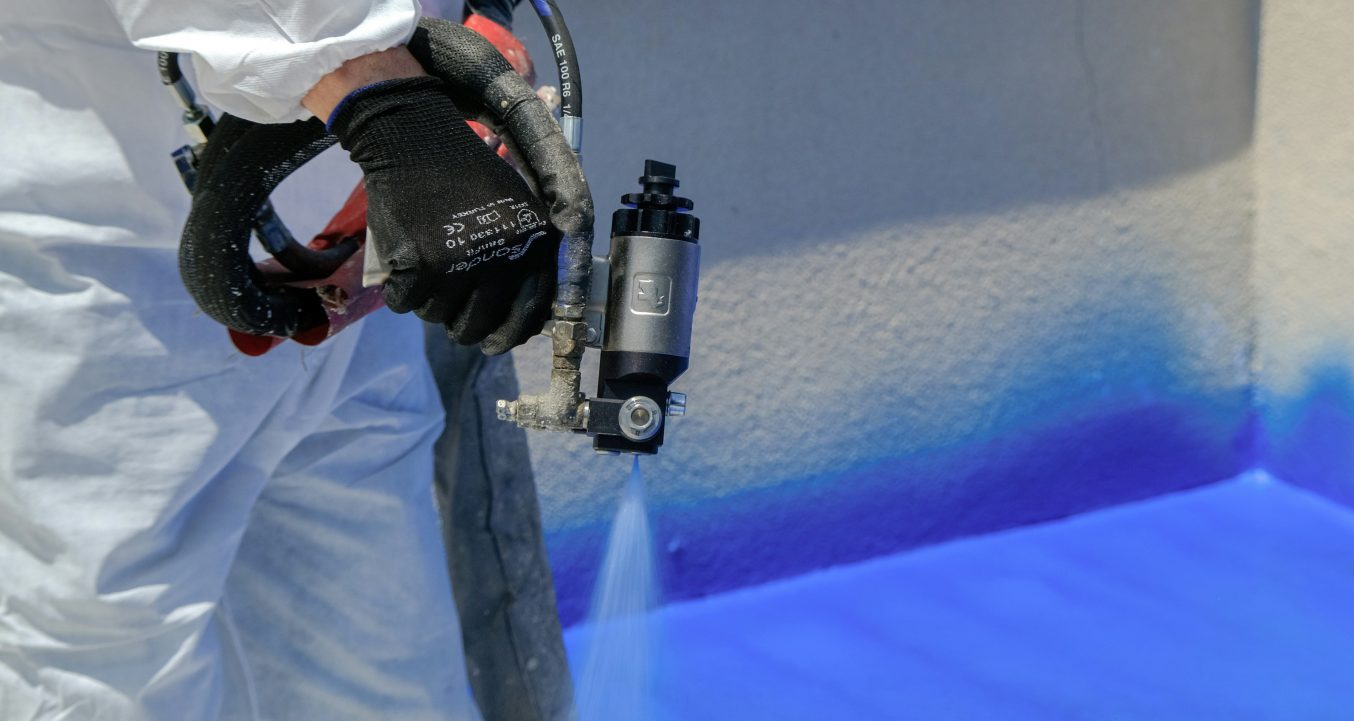
Spray foam insulation is a type of insulation made from polyurethane that is applied as a liquid and then rapidly expands. Once sprayed onto a surface, it grows to many times its original size, filling gaps, cracks, and voids before curing into a solid insulating layer.
There are two main types of spray foam insulation:
Open-Cell Spray Foam
This foam is softer and less dense. It expands significantly and is commonly used for interior applications where sound control and air sealing are priorities.
Closed-Cell Spray Foam
Closed-cell foam is denser, more rigid, and offers higher thermal resistance. It also provides excellent moisture resistance and adds structural strength to walls and roofs.
Spray foam is typically installed by trained professionals using specialised equipment. It’s commonly applied in walls, ceilings, roofs, underfloors, crawlspaces, and hard-to-reach cavities where traditional insulation struggles to perform effectively.
How Does Spray Foam Insulation Work?
Spray foam insulation works differently from traditional insulation materials. Instead of being fitted into place, it reacts on application to form a seamless barrier that both insulates and seals. Understanding how this process works helps explain why spray foam delivers such high performance.
Expansion and Sealing
Unlike batts or boards, spray foam starts as a liquid. Once applied, it expands to fill even the smallest gaps and cracks. This expansion creates a continuous insulation layer that seals areas where air would normally leak through.
This airtight seal is one of the biggest advantages of spray foam compared to traditional insulation.
Insulation Efficiency
IInsulation performance is often expressed using R-value, but real-world thermal performance is influenced by more than this single measure.
Because spray foam both insulates and seals air leaks, it can achieve comparable (and in many cases superior) thermal performance to traditional insulation systems, even when applied at significantly lower thicknesses and R-values. By limiting air movement and heat loss through gaps and joints, overall performance is improved without relying on added material depth.
Moisture Resistance
Closed-cell insulation spray foam is highly resistant to moisture. It doesn’t absorb water, which helps protect building materials from dampness, condensation, and mould growth. This makes it especially valuable in areas prone to humidity or temperature fluctuations.
Air Barrier
Spray foam acts as an air barrier, keeping conditioned air inside and preventing outdoor air from entering. This reduces drafts, improves comfort, and significantly boosts energy efficiency.
Benefits of Spray Foam Insulation
Beyond its versatility and wide range of applications, spray foam insulation delivers measurable benefits that enhance a building’s performance on a day-to-day basis. From energy efficiency and cost savings to comfort and durability, these benefits make spray foam a popular choice for both residential and commercial spaces.
Energy Efficiency
One of the biggest reasons people choose spray foam insulation is its impact on energy use. By creating an airtight seal, it minimises heat loss in winter and heat gain in summer. This reduces the workload on heating and cooling systems and helps lower energy bills year-round.
Homes insulated with spray foam often experience more consistent indoor temperatures, eliminating hot and cold spots.
Long-Term Savings
While spray foam typically has a higher upfront cost than traditional insulation, it pays off over time. Lower energy bills, reduced HVAC wear, and fewer maintenance issues make it a cost-effective long-term solution.
Because spray foam doesn’t sag or degrade, it rarely needs replacing.
Improved Comfort
Spray foam insulation helps maintain even temperatures throughout a building. It also absorbs sound, reducing noise transfer between rooms or from outside. This creates a quieter, more comfortable indoor environment.
Mould and Moisture Resistance
Moisture is one of the biggest threats to building health. Closed-cell spray foam helps block moisture infiltration and condensation, reducing the conditions that allow mould to grow. This is particularly valuable in basements, crawlspaces, and roof cavities.
Structural Integrity
Closed-cell spray foam adds rigidity to surfaces it’s applied to. When used in walls or roofs, it can increase structural strength and improve resistance to movement caused by wind or temperature changes.
Eco-Friendly Advancements
Many modern spray foam products are now manufactured using low Global Warming Potential (GWP) blowing agents and environmentally improved formulations. Combined with long-term energy savings, this makes spray foam a more sustainable option than it once was.
Longevity and Durability
Spray foam insulation can last for decades without losing performance. It doesn’t settle, compress, or deteriorate over time, which makes it a durable investment in building performance.
Applications of Spray Foam Insulation
Spray foam is highly versatile and can be used across a wide range of residential and commercial settings. Its ability to insulate and seal simultaneously makes it especially effective in areas where air leakage, moisture, and temperature control are common challenges.
Attics
In attics, spray foam seals gaps around framing, penetrations, and roof junctions while delivering high thermal resistance. This helps regulate indoor temperatures year-round, reduces heat loss in winter, and limits heat gain during summer.
Walls
Spray foam works well in both new construction and retrofit projects. It’s particularly effective in irregular wall cavities, where traditional insulation can leave gaps, improving air sealing, thermal performance, and overall comfort throughout the home.
Crawlspaces and Basements
Crawlspaces and basements are prone to moisture, cold air, and drafts. Spray foam insulation helps block damp air, reduce condensation, and stabilise temperatures, creating a drier, more comfortable and healthier indoor environment.
Roofs
Closed-cell spray foam is ideal for roofing applications, as it provides insulation, air sealing, and moisture resistance in a single layer. It also adds rigidity to roof structures, helping protect against temperature extremes and weather exposure.
Commercial Spaces
Warehouses, offices, and industrial buildings benefit from spray foam’s durability and high performance. It helps maintain consistent temperatures in large, open spaces while reducing energy consumption and ongoing operating costs.
Why Choose Foamed Insulations for Your Spray Foam Insulation Needs?
Choosing the right installer is just as important as choosing the right insulation. Foamed Insulations brings experience, technical expertise, and a strong understanding of building requirements to every project.
Professional installation ensures the foam is applied correctly, cured properly, and delivers the performance it’s designed for. With knowledge of local building codes and best practices, Foamed Insulations helps ensure long-term results you can rely on.
If you’re considering spray foam insulation, a professional assessment can help determine the best solution for your space and budget.
Is Spray Foam Insulation Worth It?
Spray foam insulation offers a powerful combination of energy efficiency, comfort, moisture protection, and durability. Whether you’re building new, renovating, or upgrading existing insulation, it provides performance that traditional materials often can’t match.
For specialised applications, solutions like spray foam in wall cavity, spray foam underfloor insulation, and spray foam insulation for shed environments can deliver long-lasting results in areas where standard insulation falls short.
If you’re ready to explore whether insulation spray foam is right for your project, contact Foamed Insulations for expert advice, a tailored solution, and a free quote.
FAQs about Spray On Insulation
Is spray foam insulation safe?
Yes. Spray on insulation is safe when installed by trained professionals. Once cured, insulation spray foam becomes inert and stable. Proper ventilation during installation is essential to ensure safety, performance, and indoor air quality during the curing process.
What’s the cost of spray foam insulation?
The cost of insulation spray foam depends on the size of the area, access, and whether open-cell or closed-cell foam is used. While upfront costs are higher, spray on insulation often delivers long-term savings through reduced energy bills.
How long does spray foam insulation last?
When installed correctly, spray on insulation can last for decades without sagging, settling, or breaking down. Unlike traditional materials, insulation spray foam maintains its performance over time, making it a durable, long-term investment for homes and buildings.
Can I install it myself?
While DIY kits exist, professional installation is strongly recommended. Incorrectly applied spray on insulation can result in poor coverage, reduced performance, or safety risks. Experienced installers ensure insulation spray foam cures properly and delivers maximum efficiency.
Does spray foam smell?
Insulation spray foam may have a noticeable odour immediately after installation. This is temporary and typically fades once the spray on insulation has fully cured and the area has been ventilated, usually within 24-48 hours.
