Shipping Container Foam Insulation Sydney
Insulating a shipping container isn’t the same as insulating a building. Steel construction demands insulation systems that control heat transfer and condensation at the source.
Without proper insulation, containers in Sydney’s climate quickly become unworkable: extreme heat gain through the roof, condensation forming on corrugated steel walls, and rapid temperature swings that damage equipment, stock, or interiors. Effective shipping container foam insulation can be the difference between a usable space and a costly liability.
Foamed Insulations is Sydney’s leading specialist in spray foam insulation for shipping container applications, with over 40 years of experience delivering high-performance outcomes across commercial, industrial, and residential container projects. We proudly engineer insulation systems specifically for steel structures.
Our closed-cell polyurethane foam achieves around R1.1 per 25mm thickness, providing a continuous vapour barrier and permanently bonding to corrugated steel to eliminate thermal bridging and condensation risk. For Sydney’s Climate Zone 5, this performance is critical.



Insulation Engineered for Containers
Shipping containers behave very differently from conventional buildings. Steel conducts heat rapidly, reaches the condensation point quickly, and creates severe thermal bridging through ribs, seams, and fixings. This is where foam insulation for shipping container use clearly outperforms batts, boards, and panel systems.
Our shipping container foam insulation for Sydney systems is designed around these realities:
Thermal Performance & R-Values
Our commercial-grade closed-cell polyurethane foam delivers:
- R1.1 per 25mm thickness
- Consistent thermal resistance with no gaps, sagging, or compression
- Stable performance across Sydney’s seasonal temperature ranges
Technical Advantages
- Eliminates thermal bridging by encapsulating steel ribs
- Very low vapour permeability, preventing condensation
- Strong adhesion to corrugated steel: no fixings required
- Creates a continuous air and vapour barrier in one system
Our insulation systems are selected to align with Australian performance expectations and commercial durability requirements.
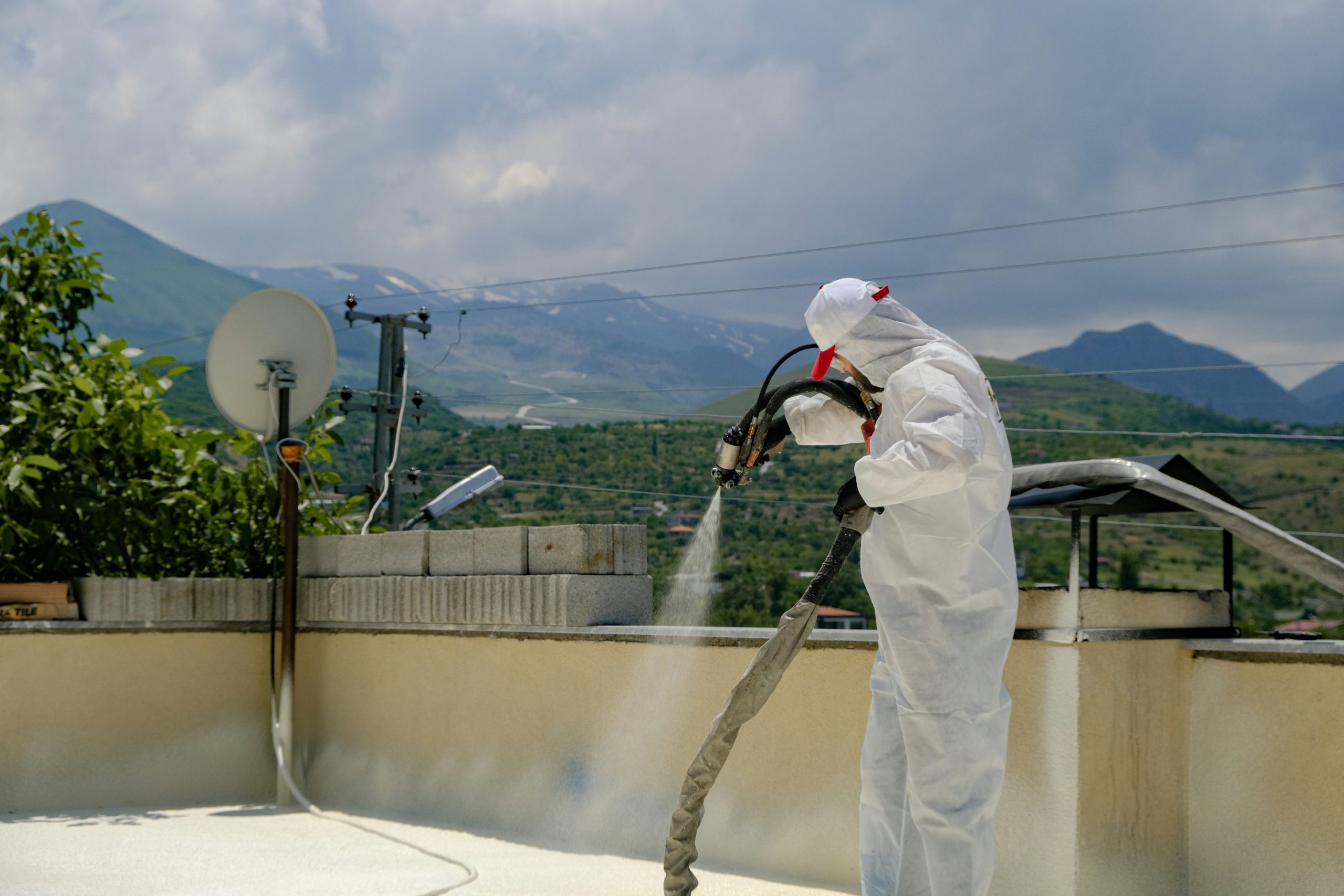
Where We Apply Spray Foam Insulation in Containers
Foamed Insulations applies spray foam insulation across a wide range of shipping container uses, each with different thermal, moisture, and performance demands:
- Refrigerated and cold storage containers (food and pharmaceuticals), where temperature stability and condensation control are critical
- Workshops and fabrication spaces that require consistent internal conditions to protect tools and equipment
- Site offices and accommodation units, where comfort and energy efficiency matter year-round
- Retail, hospitality, and mobile pop-up containers, where heat gain, noise, and moisture must be tightly managed
- Plant rooms and equipment enclosures, where insulation protects sensitive systems from temperature extremes
Component-Specific Expertise
Effective container insulation requires treating each structural element differently:
- Walls: Corrugated steel creates significant thermal bridging. Spray foam fully encapsulates ribs and seams, eliminating bypass points where panel systems fail.
- Roofs: The primary heat gain area in Sydney’s climate. Continuous foam coverage reduces radiant heat transfer and stabilises internal temperatures.
- Floors: Insulation provides moisture control and thermal comfort, particularly in occupied or temperature-sensitive containers.
We also coordinate insulation works with HVAC, refrigeration, and ventilation systems to ensure overall performance isn’t compromised by poor integration.
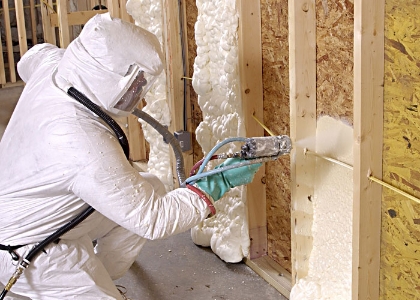
Common Insulation Mistakes We See
Many container insulation failures stem from incorrect material selection or poor installation practices:
- DIY panel systems that trap moisture behind boards, accelerating corrosion
- Inadequate insulation thickness, leading to ongoing condensation issues
- Gaps around ribs, corners, and junctions, creating thermal bypass
- Short-life insulation products that degrade within a decade
Spray foam outperforms panel systems because it becomes part of the container structure, delivering continuous insulation, air sealing, and long-term durability rather than acting as an added layer.
Why Our Results Last Decades
Not all spray foam installations are equal. Performance depends entirely on process, materials, and application control.
Our Installation Methodology
- Containers are typically sprayed in their existing condition, without extensive surface preparation. Where required, surfaces are cleaned and dried prior to application to ensure adhesion to corrugated steel.
- Our technicians use controlled application techniques to achieve uniform insulation thickness across walls, roofs, and floors, preventing thin spots that can compromise thermal performance.
- Continuous coverage is checked throughout the application process to ensure insulation is applied evenly across the container.
Materials We Specify
- We specify commercial-grade closed-cell polyurethane foam engineered for high-performance container insulation applications.
- Our foam systems deliver high moisture resistance and structural rigidity, helping control condensation while reinforcing the steel structure.
- All insulation systems are fire-retardant and selected specifically for container use, ensuring compliance and suitability for commercial and industrial environments.
- We use proven foam formulations with a service life exceeding 50 years, providing long-term performance without sagging, settling, or degradation.
Professional Assurance
- All work is completed by fully trained and certified technicians with specialist experience in spray foam insulation.
- We provide fixed-price proposals with no hidden costs, so scope, inclusions, and outcomes are clearly defined from the outset.
Why Buyers Choose Our Spray Foam Insulation
While spray foam insulation for shipping container projects can carry a higher upfront cost than panels or batts, buyers choose it for one reason: predictable, long-term performance. The value isn’t theoretical: it shows up in operating costs, asset protection, and lifecycle savings.
Return on Investment by Application
- Refrigerated containers benefit from lower energy consumption, reduced compressor runtime, and more stable internal temperatures.
- Workshops and fabrication spaces gain improved thermal stability that protects tools, machinery, and materials from temperature extremes.
- Hire and modular units achieve higher rental returns and stronger demand when insulated to a commercial standard.
Long-Term Value
- Spray foam delivers a 50+ year service life, compared to 10-20 years for many alternative insulation systems.
- The insulation does not sag, degrade, or absorb moisture, eliminating ongoing maintenance or replacement costs.
- By controlling condensation at the steel surface, our foam insulation shipping container systems help prevent corrosion, protecting the container’s structural integrity and resale value.
Cost Transparency and Delivery
- All projects are scoped with fixed-price proposals that clearly outline inclusions and performance expectations.
- We offer fast turnaround times, with most container installations completed within 1-2 days, minimising downtime.
For larger or multi-unit projects, we also deliver commercial spray foam insulation solutions at scale, with consistent specifications and outcomes across multiple containers.
Schedule Your Site Assessment
If you’re planning container insulation in Sydney, the next step is a technical assessment. When you contact Foamed Insulations, you receive:
- A free site inspection
- Application-specific thickness and R-value recommendations
- A fixed-price, detailed technical proposal
- Quote turnaround within 24-48 hours
Call Foamed Insulation or schedule your site assessment with our spray foam contractors.
Frequently Asked Questions
Is the same foam used for all container projects?
Yes. We use our closed-cell polyurethane foam for most container work because it bonds well to steel, provides moisture resistance and delivers the R-value needed for refrigeration or thermal comfort.
How long does spray foam insulation shipping container work take?
Most standard container insulations are completed in a day or two depending on access and lining requirements. We provide a site-specific schedule with every quote.
Will foam insulation prevent condensation inside a container?
Correctly installed foam insulation for shipping containers will eliminate the condensation risk by creating a continuous thermal and vapour barrier between the cold interior and the warm steel exterior.
How much does it cost to insulate a shipping container in Sydney?
Costs vary based on container size, insulation thickness, and application type. Spray foam insulation typically costs more upfront but delivers superior performance, durability, and long-term savings compared to panels or batts.
What is the best insulation for a shipping container home?
Closed-cell shipping container foam insulation is widely regarded as the best option due to its superior thermal resistance, effective condensation control, and ability to completely seal steel surfaces.
Can you insulate a shipping container from the outside?
Yes, but internal spray foam insulation is more common and effective. External insulation requires additional cladding systems and weatherproofing.
How thick should shipping container insulation be?
In Sydney, most applications start at around 25mm, with cold storage containers often needing slightly more for thermal stability.
Does shipping container insulation prevent rust?
Yes. Closed-cell spray foam controls condensation and vapour movement, significantly reducing the risk of internal corrosion.
How long does spray foam insulation last in a container?
Properly installed spray foam insulation has a 50+ year lifespan and does not sag, settle, or degrade over time.
Is spray foam better than insulation panels for containers?
Yes. Spray foam eliminates thermal bridging, seals air gaps, and bonds directly to steel.